The history of Roodnoot
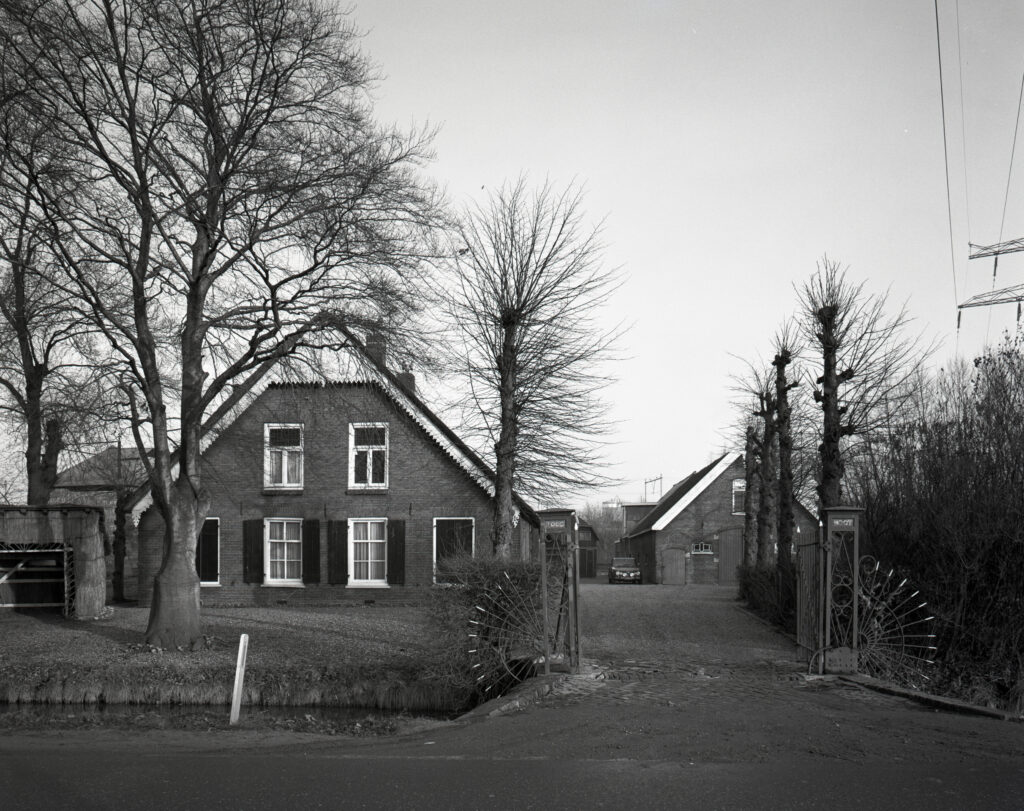
Our farmhouse was built in 1880. The former owners, Door and Toon, came up with the idea of reversing their names, and that's how Roodnoot came to be. The Hamoen family were the last to run a farming business here.
A farming business
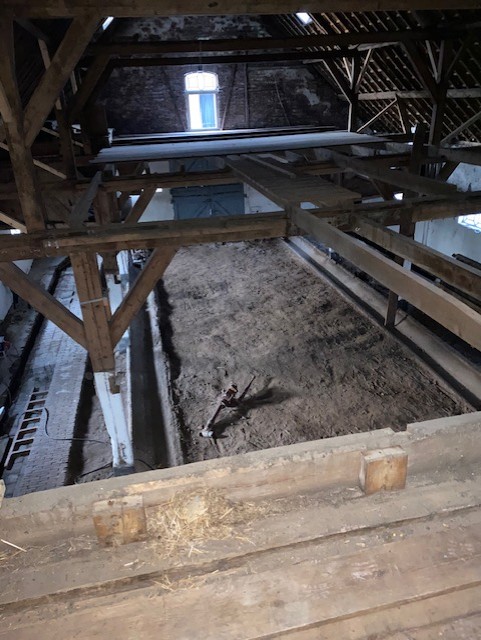
From 1880 onwards, the farm was a dairy operation. People worked here well into the last century. In the building you can still see the original farmhands' quarters near the terrace entrance, located above the barn where the cows were stabled and milked — which provided warmth in winter. Cheese was also made and sold here.
The decline
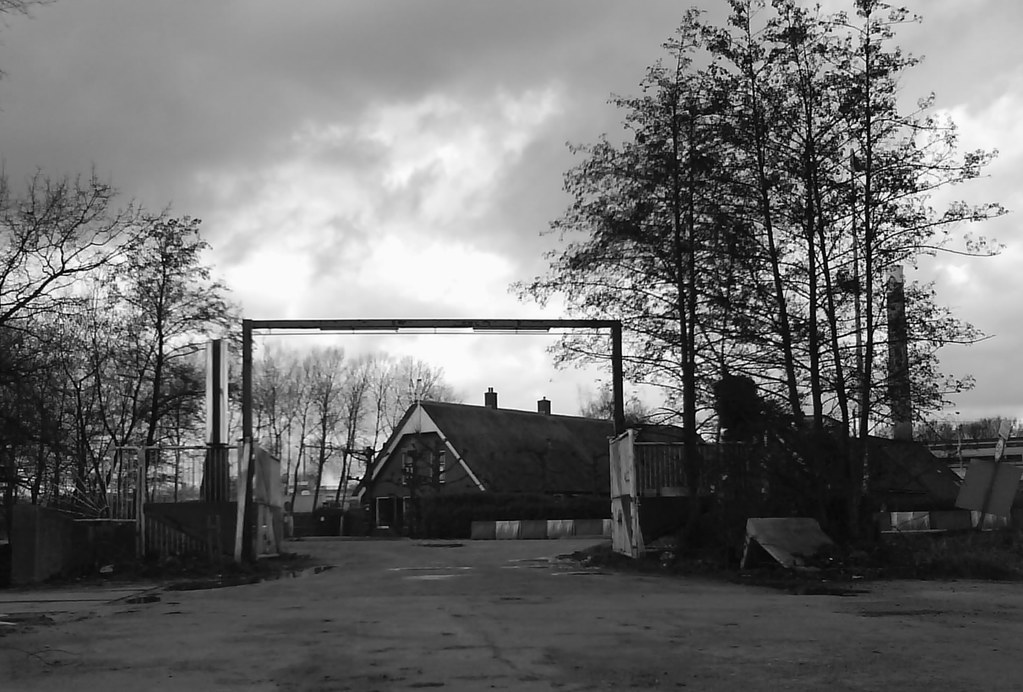
The farmhouse was slowly hemmed in by roads and railway. In 1975, some 40,000 train passengers and motorists passed this spot every day. It was a slow but relentless process that led to the end of the farming business.
Roodnoot Horse Stud
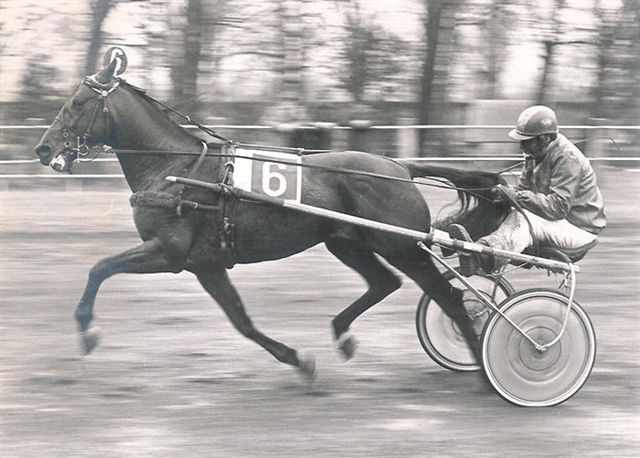
The farm didn't only keep cows — horses were bred here too. The idea of breeding from a particular dam line arose in 1935, marking the start of the Roodnoot bloodline. From 1975 onwards, all descendants carried Roodnoot as an addition to their name. New Roodnooten are still being born today.
Theatre Roodnoot
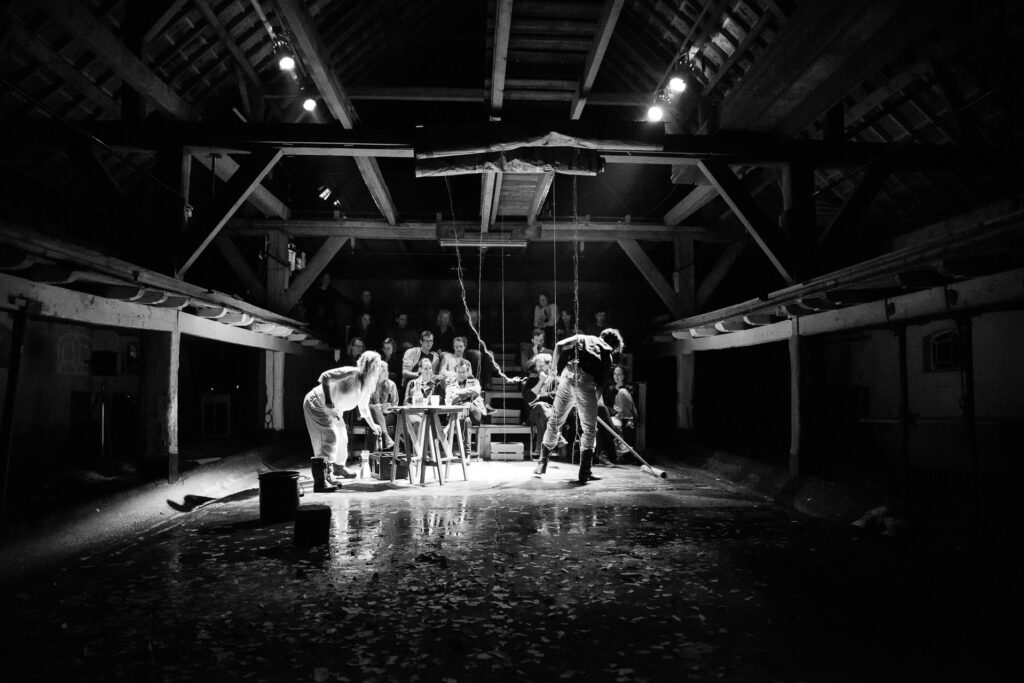
The horse stud moved to Putten, and in January 2010 Rood|Noot opened, renamed as a city farmstead. A group of artists made their home here, and with support from the municipality a theatre was eventually realised.
From plan to reality
In 2021, the renovation approved by the City of Utrecht's Monuments department could finally begin. Because the Rood & Noot farmstead is a municipal monument, agreement first had to be reached on all sorts of authentic details still preserved in Roodnoot. Take, for example, the raised little rooms at the rear façade — the farmhands' rooms, where the staff slept and stayed warm thanks to the cows below. The water stove and the hay lofts have also remained intact. The hay barn, bricked up in the 1950s, is now used as the brewery.
The renovation
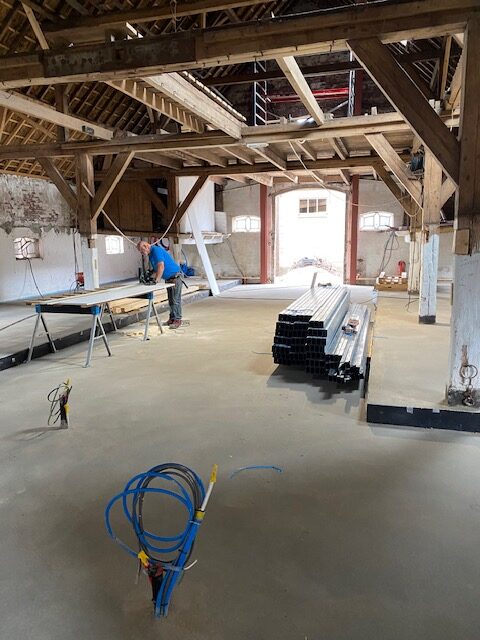
The kitchen and scullery still serve their original function, and the barn is now used as a café-restaurant. The original everyday living room has now been turned into restrooms — the fireplace in the men's room is a lovely surviving detail from that living room.
The layout of the restaurant has been left untouched as much as possible. The raised sections on either side have remained — this is where the cows were once stabled and milked.